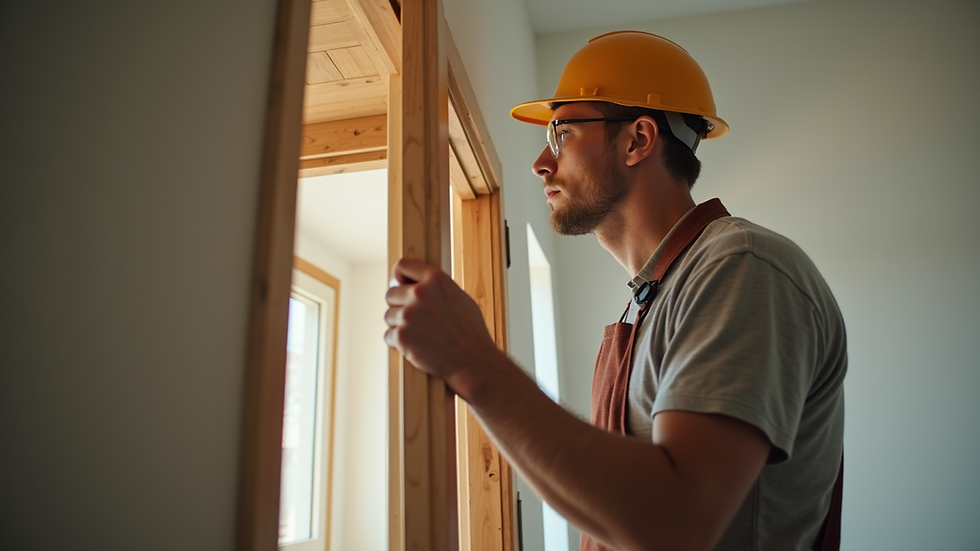
Fixing Drywall Cracks: Effective Techniques for a Smooth Wall
Cracks in drywall can be frustrating. They spoil the look of your walls and might make you worry about bigger problems. But don’t stress. Fixing drywall cracks is easier than you think. With the right tools and steps, you can restore your walls to their smooth, flawless state. I’ll walk you through some effective techniques that work well for most cracks. Let’s get started!
Understanding the Basics of Fixing Drywall Cracks
Before you grab your tools, it helps to know why cracks happen. Drywall cracks often appear because of house settling, temperature changes, or humidity shifts. Sometimes, poor installation or structural movement causes them too. Knowing the cause helps you pick the best repair method.
There are two main types of cracks you’ll see:
Hairline cracks: Thin and shallow, usually easy to fix.
Stress cracks: Wider and deeper, often caused by movement or pressure.
For most cracks, you’ll need a few basic supplies:
Joint compound or spackle
Sandpaper (medium and fine grit)
Putty knife
Drywall tape (for bigger cracks)
Primer and paint
Having these ready will make the job smooth and quick.
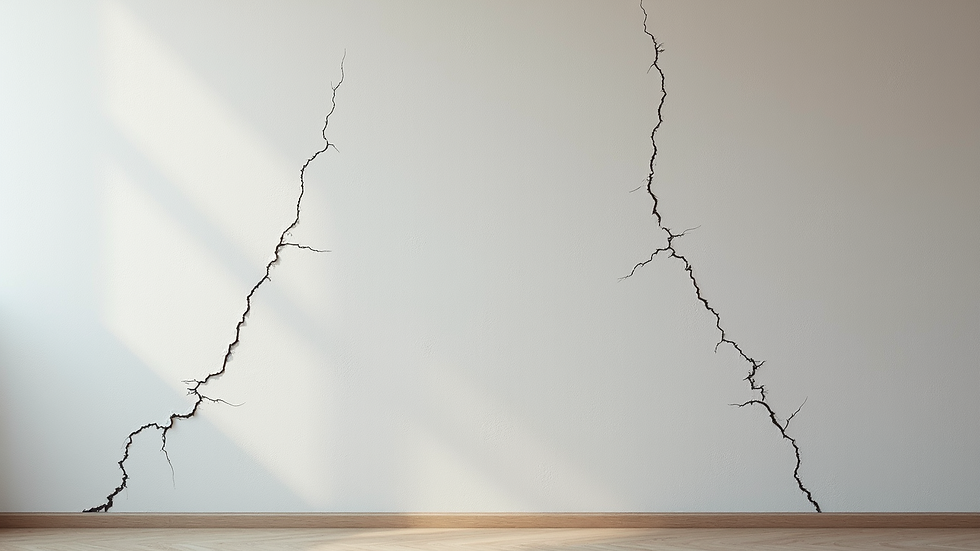
Step-by-Step Guide to Fixing Drywall Cracks
Let’s dive into the repair process. I’ll keep it simple and clear so you can follow along easily.
Clean the crack
Use a utility knife or scraper to remove any loose drywall or paint around the crack. This helps the patch stick better.
Apply joint compound
For small cracks, spread a thin layer of joint compound over the crack with a putty knife. Press it in to fill the gap.
Use drywall tape for bigger cracks
If the crack is wider than 1/8 inch, apply drywall tape over it. This prevents the crack from reopening. Press the tape firmly into the wet compound.
Add more compound
Cover the tape with another layer of joint compound. Feather the edges to blend with the wall.
Let it dry
Drying time varies but usually takes 24 hours. Avoid rushing this step.
Sand smooth
Once dry, sand the area with medium grit, then fine grit sandpaper. Make sure the surface is even.
Prime and paint
Finish by priming the repaired spot. Then paint to match your wall color.
This method works well for most cracks and gives a clean, professional look.
How to fix a stress crack in drywall?
Stress cracks need a bit more care. They often appear near corners, windows, or doors where the wall moves more.
Here’s what I recommend:
Widen the crack slightly
Use a utility knife to open the crack into a V-shape. This helps the compound stick better.
Apply fiberglass mesh tape
This tape is stronger and more flexible than paper tape. It holds up well against movement.
Use setting-type joint compound
Unlike regular compound, this one hardens chemically and is more durable. It’s great for stress cracks.
Apply multiple layers
You might need 2 or 3 layers of compound. Let each layer dry before adding the next.
Sand and finish
Sand smooth and paint as usual.
Stress cracks can be stubborn, but with patience, you’ll get a lasting fix.

Tips for Preventing Future Drywall Cracks
Fixing cracks is satisfying, but preventing them saves time and effort. Here are some tips to keep your walls crack-free longer:
Control humidity
Use a dehumidifier or air conditioner to keep indoor humidity stable. Drywall expands and contracts with moisture changes.
Maintain consistent temperature
Avoid extreme temperature swings inside your home.
Use quality materials
When renovating, choose good drywall and joint compounds.
Proper installation
If you hire pros, make sure they follow best practices for drywall hanging and finishing.
Address structural issues
If cracks keep coming back, check for foundation or framing problems. Fixing those stops cracks at the source.
When to Call a Professional for Drywall Crack Repair
Sometimes, cracks are more than just surface issues. If you notice:
Cracks wider than 1/4 inch
Cracks that keep reappearing after repair
Cracks accompanied by wall bulging or sagging
Cracks near doors or windows that affect their function
It’s smart to get a professional opinion. Experts can assess if there’s a bigger problem like foundation settling or water damage.
For reliable and stress-free service in the Greater Vancouver area, I recommend checking out drywall crack repair specialists. They offer transparent pricing and quality work that lasts.
Ready to Tackle Your Drywall Cracks?
Fixing drywall cracks doesn’t have to be a headache. With the right tools and steps, you can make your walls look great again. Remember to take your time, follow the process, and don’t hesitate to call in the pros if needed. Your walls will thank you!
Happy repairing!